Most of my current research program falls into one of four research streams. I briefly describe these areas below in no particular order.
THE EXPRESSION OF NON-WHITE IDENTITIES 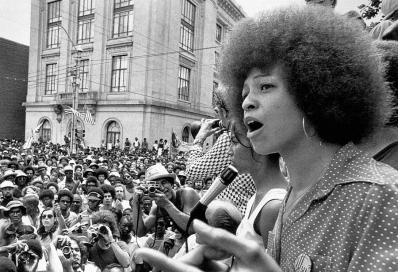
In this line of work, I study the antecedents, consequences, and organizational constraints associated with the expression of non-White identities in predominantly White settings (i.e., work, school, church, dating, etc.). To date, most of my research in this area has focused on hair as a racialized dimension of physical appearance and a rich prospective medium of self-expression. I also study ostensibly “neutral” and ubiquitous organizational norms (i.e., professionalism, respectability, etc.) that shape social mobility, perhaps especially for non-White (vs. White) individuals.
HISTORICAL PSYCHOLOGY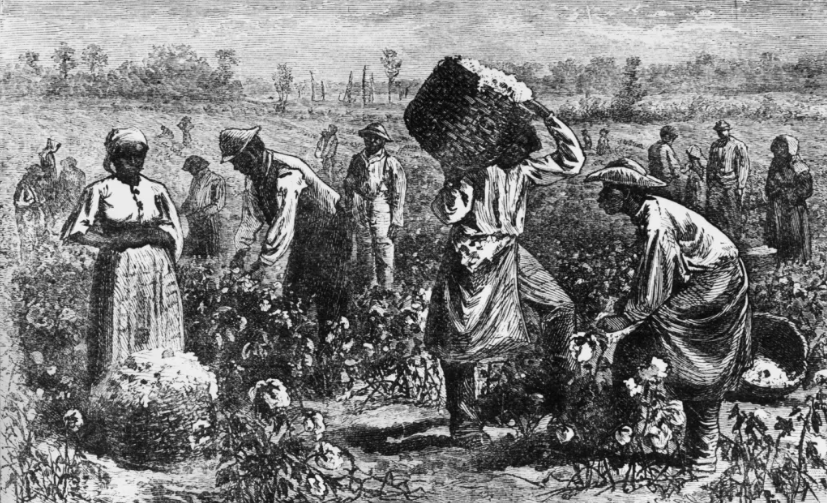
White supremacy has been one of the single most influential developments of the last 500 years of human history. And yet, America often makes a concerted effort to avoid this history topic entirely, periodically even misrepresenting it (unintentionally or otherwise). In this line of work, I study how learning about critical aspects of racial history shape people’s attitudes and behaviors.
RACIAL AND ETHNIC RELATIONS & CONSUMER BEHAVIOR
Consumers purchase products and services they want or need. This consumer behavior often diverges across racioethnic groups though, and this may especially be true for products and services relating to racialized aspects of the body. In this line of work, I’m particularly interested in consumer attitudes as they evaluate products/services for racialized dimensions of their physical appearance (i.e., hair, skin, etc.).
[ORG] AUTHENTICITY & INTERGROUP RELATIONS
Organizations aren’t always what they claim to be. And inequality in society often materializes in both expected and unexpected ways. In this line of work, I pursue a broad set of questions relating to organizational (in)authenticity and intergroup relations / inequality, with a particular interest in how the former may affect the latter.
 tosennwadei.com